Carbon Black Masterbatch vs. Liquid Colorants: Cost and Performance Compared
Understanding the Basics of Carbon Black Masterbatch and Liquid Colorants
Definitions and Composition
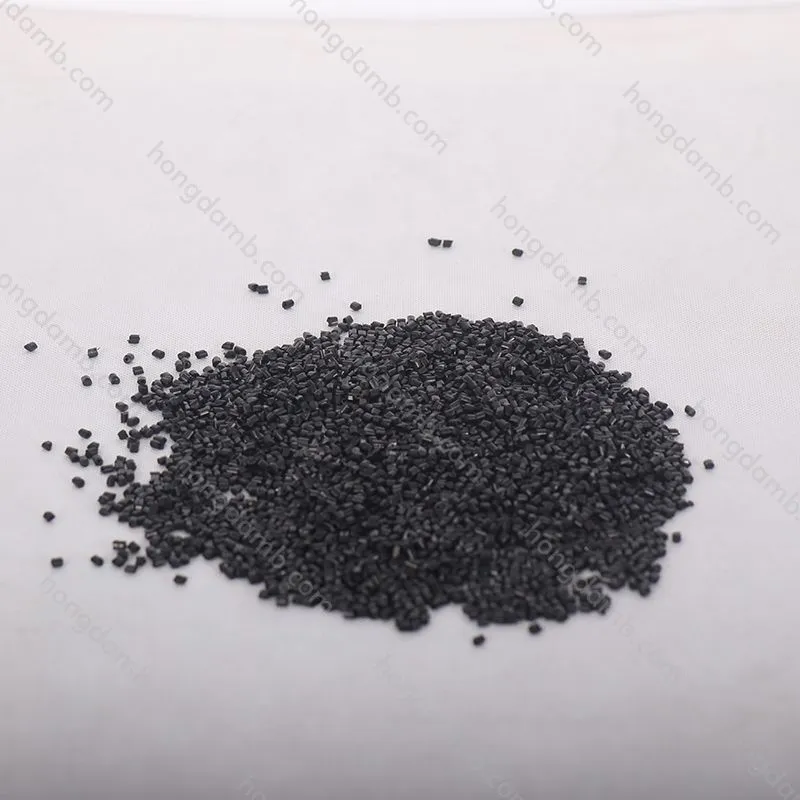
Carbon Black Masterbatch is a concentrated mixture of pigments and polymers, designed for ease of use in plastic manufacturing. Liquid colorants, on the other hand, are dye or pigment dispersions that can be mixed directly into a resin. Understanding these basic definitions allows for better comparison of their performance in various applications.
Cost Comparison: Carbon Black Masterbatch vs. Liquid Colorants
Initial Investment and Long-term Costs
The initial cost of Carbon Black Masterbatch can be higher due to the manufacturing process, while Liquid Colorants may seem cheaper at first glance. However, it's essential to evaluate the long-term costs associated with each option, such as pigment efficiency and waste considerations.
- Carbon Black Masterbatch: Higher initial cost, lower long-term waste.
- Liquid Colorants: Lower initial cost, potential for higher waste and rework.
Performance Metrics: Evaluating Core Parameters
Color Stability and Consistency
When it comes to color stability, Carbon Black Masterbatch typically provides superior consistency over time. Liquid colorants might fade or change hue, especially under UV exposure.
- Durability: Carbon Black offers higher durability against environmental factors.
- Consistency: Carbon Black Masterbatch maintains color quality far better.
Processing Performance
Processing with Carbon Black Masterbatch tends to be more straightforward, while Liquid Colorants may require additional mixing to achieve desired results. This can slow down production times.
- Carbon Black Masterbatch: Easier processing, less mixing downtime.
- Liquid Colorants: Requires more handling, can complicate production.
User Experience and Real-world Applications
Case Studies and Feedback
Many users report a noticeable difference in product durability when using Carbon Black Masterbatch. For instance, manufacturers of automotive parts have seen improvements in performance metrics such as battery life and resistance to wear.
- Automotive industry: Praises Carbon Black for longevity.
- Consumer goods: Reports mixed results with Liquid Colorants.
Advantages and Disadvantages of Each Option
Summarizing the Pros and Cons
In choosing between Carbon Black Masterbatch and Liquid Colorants, analyzing the advantages and disadvantages is crucial.
- Carbon Black Masterbatch Pros: Excellent color stability, easy processing, long-lasting performance.
- Carbon Black Masterbatch Cons: Higher upfront cost.
- Liquid Colorants Pros: Lower initial investment, easy to adjust colors.
- Liquid Colorants Cons: Potential inconsistencies, higher waste, and more complexity in processing.
Recommendations: Which Group to Choose?
Identifying Suitable Applications
This section will guide you on whether to use Carbon Black Masterbatch or Liquid Colorants based on your specific needs. Companies focused on high-performance and durability should lean towards Carbon Black Masterbatch, especially in industries like automotive or electronics. Conversely, smaller projects with adjustable color needs might benefit from Liquid Colorants.
Conclusion: The Best Choice for Your Application
Ultimately, your choice between Carbon Black Masterbatch and Liquid Colorants will depend on your specific requirements. For companies focused on durability and performance, Carbon Black Masterbatch from HongDa may be the best option due to its advantages in longevity and processing efficiency. Remember to assess your project needs carefully to make an informed decision.


评论
发表评论